Healthcare has very quietly changed in a way that’s creating a whole new kind of job. Patients are not just seen in exam rooms anymore. They are now even being watched at home, in their everyday lives. Through devices that send their health information straight to their care teams. The people who manage that information, look at it, talk to patients about it, and make sure the right care is given because of it, have to come from somewhere.
Remote patient monitoring jobs are exactly those kinds of roles. And they are growing much faster at this time. Let’s explore this further.
The Growing Field of Remote Patient Monitoring
The numbers are very clear about this. RPM use among Medicare patients grew tenfold from 2019 to 2022, rising from 55,000 to over 570,000 patients. Medicare spending on RPM during that same time went from $15 million to over $311 million as well. This is not some small technology trend at all. This is a major shift in how chronic care is being delivered now.
Of course, there are real results that are driving this kind of investment. A study of heart failure patients found that RPM cut heart failure-related hospitalizations by up to 20%. At UMass Memorial Health, a remote monitoring program cut 30-day heart failure readmissions by about 50%. These kinds of results are why more practices are building RPM programs. And RPM programs need real people to run them.
What Is Remote Patient Monitoring?
Remote patient monitoring is when connected medical devices and software are used to collect all patient health data from a distance and send it automatically to their healthcare provider as well. The provider uses that data to watch their patient’s condition, change their treatment if needed, and step in if something changes. All this is without needing the patient to come into the practice for every decision.
The conditions that are mostly managed through RPM are chronic ones.
Hypertension
Daily blood pressure readings let healthcare providers see all trends and change any medications before a problem occurs. Patients with high blood pressure do better when they are monitored this consistently.
Diabetes
Daily blood glucose monitoring gives the care team the data they need to adjust insulin in real time. This helps avoid any dangerous highs and lows and improves diabetes control significantly.
Heart Failure
Daily weight and symptom tracking catches all the early signs of fluid buildup before it becomes an emergency. This is one of the most powerful uses of RPM.
Chronic Obstructive Pulmonary Disease (COPD)
Oxygen levels and breathing are checked between visits. Catching a drop in oxygen early can prevent any flare-ups and hospital stays.
Sleep Apnea
Data from full overnight monitoring shows any patterns that in-person visits miss. Ongoing monitoring helps improve treatment and patient outcomes.
Post-Surgical Recovery
All vital signs are watched from home, so patients can be discharged earlier but still have full safety checks. Patients recover at home while their care team keeps a keen eye on their progress.
Every one of these conditions needs different devices and different monitoring plans. But the goal is the same for all of them. Catch all problems early. Keep patients at home. Avoid hospital stays. And mainly, improve outcomes without making the patient come to you for every single decision.
That goal, and the technology that makes it possible, is what created this growing remote patient monitoring job market.
What Does a Remote Patient Monitoring Specialist Do?
A remote patient monitoring specialist is the person who keeps RPM programs running well. They watch all patient data, talk to patients, and make sure everything works smoothly.
Wikipedia explains that remote patient monitoring uses digital tools to collect health data from patients and send it to providers in another location. Cleveland Clinic notes that RPM helps track chronic conditions and spot problems early. This really improves outcomes and reduces hospital readmissions.
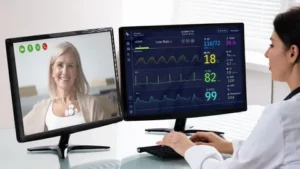
Every day, an RPM specialist reviews all incoming data like blood pressure, blood glucose, or heart rhythms. They look for any changes that could signal a possible problem. They also call patients to check in and make sure devices are being used correctly. They also work with doctors and nurses to ensure patients get the right care based on what the data shows.
They are the real bridge between the patient at home and the clinical team. They turn all data into action and help your patients stay healthy without needing to come to you.
Types of Remote Patient Monitoring Jobs
These jobs are very different in what they need and what they do day to day. But they all share one single purpose. Keeping all patients watched, supported, and connected to their care team even when they are not really in the office.
An RPM technician or monitor is the first person to look at all patient data. They watch all the incoming numbers and look for anything that seems wrong. An ECG technician, for example, watches all heart rhythms and spots any dangerous changes before they become emergencies later. They tell the nurses and doctors what they see so the right action can be taken. This job needs very good attention to detail, knowledge of all the devices being used, and some clinical understanding to know what all that data means.
A remote care coordinator handles all the day-to-day side of RPM. They make sure patients know how to use their devices well. They set up follow-up appointments based on what the data shows. They also check if patients are sending their data regularly and reach out to those who are not. They are the main link between the patient at home and the clinical team. This job fits medical assistants and administrative staff who are very good with people and comfortable with technology as well.
A patient educator focuses on getting all patients started. Many patients, especially older adults having long-term conditions, are not very comfortable with this new technology. A patient educator shows them how to use their devices, helps them understand what the numbers mean, and gives them the confidence to keep using that equipment. Without any good education, patients just stop using their devices, and the program just completely falls apart.
Clinical support roles bring in licensed professionals like nurses and medical assistants. They review all the data that looks concerning and decide if it needs to go to the doctor. They call patients when their numbers mean that a change in medication is needed. They write down clinical notes in the patient’s record. Depending on the state and the practice, these roles may need specific licenses.
RPM program managers run the whole show. They manage the team, train any new staff, make sure billing is done right under Medicare rules, track the results, and ensure everything is working as planned. This role needs full clinical knowledge, administrative skills, and a great understanding of RPM billing rules.
What Skills Are Needed for RPM Jobs?
People who do well in RPM jobs need a good mix of technical, clinical, and people skills. No single job needs all of them equally. But the best RPM workers bring a good mix.
Technology Proficiency
Technology skills are the main foundation. RPM workers use wearable devices, online monitoring platforms, telehealth tools, and EHR systems. They need to use these tools well and also help patients when anything goes wrong. A patient who cannot get their blood pressure cuff to work will not send any useful data. The RPM worker who can talk them through the fix over the phone is what keeps this program going.
Clinical Knowledge
Clinical knowledge is the actual base of everything. Understanding what high blood pressure means, why daily weight is important for heart failure, or what a strange heart rhythm could mean. You don’t need to be a doctor to work in RPM. But you need enough clinical understanding to know when something is really important. Most RPM jobs expect you to know medical terms, vital signs, and also the basics of chronic conditions.
Communication Skills
Communication skills are a must as well. RPM workers talk to patients who are often older, sometimes very worried, frequently not good with technology, and dealing with many health issues that affect their daily lives. They also talk to nurses, doctors, and care coordinators. Being clear, calm, and helpful in both of these directions is what makes an RPM worker good instead of just okay.
Attention to Detail
Attention to detail is something that saves lives. Missing a change in heart rhythm or a slow rise in blood pressure could lead to a long hospital stay. RPM data review needs complete and steady focus and the discipline not to glance over something that looks almost normal.
Empathy and Patience
Empathy and patience round it all out completely. Patients being watched at home may feel alone. They may be scared about their health while also trying to use all that equipment that is new to them. RPM workers who treat all patients with real care, who see them as people and not just data, get better compliance and much stronger relationships.
Medicare and RPM Coverage
Since many RPM patients are on Medicare, anyone building or working these programs should know how coverage works. It’s important.
Medicare Part A pays for hospital care. This includes stays in hospitals, skilled nursing facilities, hospice, and some home health care. When a heart failure patient’s RPM readings show they need to go to the hospital, medicare hospital coverage through Part A pays for that care.
Medicare Part B pays for outpatient care. This includes doctor visits, preventive services, lab tests, and medical equipment prescribed for home use. Medicare Part A and B work together to cover the full range of clinical care that RPM patients often need.
Medicare started covering RPM in 2018 and has expanded coverage since then. To bill Medicare for RPM, the patient must have an ongoing condition that needs full monitoring, use an FDA-approved device that sends all data automatically, and send data for at least 16 days in 30 days. Medicare pays for patient education and device setup, the device itself, and treatment management based on the data collected.
For patients on Medicare Advantage plans, RPM is often included in their coverage. This makes RPM available to many older adults who really benefit from this kind of care. The vaccination schedule for adults with chronic conditions is another area where RPM really helps. Patients with high blood pressure, diabetes, or heart failure often need extra vaccines beyond the usual schedule. RPM professionals who know their patients’ full health picture can help make sure they get those vaccines.
How RPM Jobs Fit Into Healthcare Practices
RPM programs work best when they are built into regular clinical workflows and not treated as something extra. Practices that do RPM well have made some main decisions.
Main Elements of a Successful RPM Program:
- Simple device technology. Cellular-enabled devices that send data on their own, without needing any smartphone or home WiFi, remove the biggest barrier to patients using them on a regular basis.
- Clinical team support from the start. RPM doesn’t work if it feels like extra work on top of everything else. When practices show their staff how RPM fits into their regular workflow and even makes some parts of their job easier, they are more likely to support it.
- Clear roles for everyone. Who looks at the data every day. Who acts when something looks very wrong. Who calls the patient. Who handles billing. When everyone knows their job well, the program runs well. When they don’t, many things get missed.
- Billing and compliance systems. RPM has very specific rules for Medicare billing. Getting this right means having staff who know RPM billing or having support that makes sure all documentation is fully complete and the right codes are used.
Conclusion:
Remote patient monitoring is already happening on a large scale. It’s already showing real results and already creating many good jobs for healthcare workers who want to be part of something that’s truly changing how clinical care is given.
Whether you’re a clinician looking for remote work that makes a difference, or a practice owner trying to find out how to build a program that really works, the answer is quite the same. This field is growing fast. The need for skilled people is also real. And patients who get this care are watched more closely, supported better, and less likely to end up in the hospital than they were before.
Provma provides your medical practice with full remote patient monitoring support. Our virtual professionals help practices run successful RPM programs, review data, talk to patients, and handle all the administrative work that keeps these programs going well. All within a fully HIPAA-compliant system. Your practice gets the full benefits of RPM without having to build everything completely on its own.
FAQs:
What are remote patient monitoring jobs?
Remote patient monitoring jobs are roles where professionals help doctors and nurses keep an eye on their patients’ health from a distance. They use tools like wearable devices and telehealth platforms. These roles include RPM technicians, care coordinators, patient educators, and clinical support staff.
What skills are needed for RPM jobs?
RPM jobs require a mix of skills. You need to be very good with technology, have some clinical knowledge, communicate well, and pay close attention to details. Many roles also require certifications like ECG technician or CCT certification.
What is Medicare Part A and Part B?
Medicare Part A covers hospital care. This includes stays in hospitals, skilled nursing facilities, hospice, and some home health care. Medicare Part B covers outpatient care like doctor visits, preventive services, lab tests, and medical equipment used at home.
What is the adult vaccination schedule?
The CDC recommends that adults stay current on vaccines like COVID-19, flu, Tdap/Td, and others based on their age and health conditions. Patients with certain long-term conditions may need extra vaccines like pneumococcal or hepatitis vaccines as well.